
INTEGRA · PATIENT GUIDES
Low Back Pain.
When your back affects everyday life, understanding your options is a useful first step.
Understanding Back Pain
Back pain is common and often improves within a few weeks. A single cause is not always clear. Persistent or recurring symptoms deserve an assessment, particularly when they interfere with daily life. NHS back pain guidance.
What An Assessment Considers
We discuss when symptoms started, how they change, your health history and what you want to get back to. Examination helps us consider movement, function and whether further medical investigation is needed.
Care And The Evidence
NICE guidance for people aged 16 and over supports advice to stay active and exercise suited to the person. It recommends considering manual therapy only within a package that includes exercise. It does not recommend routine imaging in non-specialist settings. Read NICE NG59.
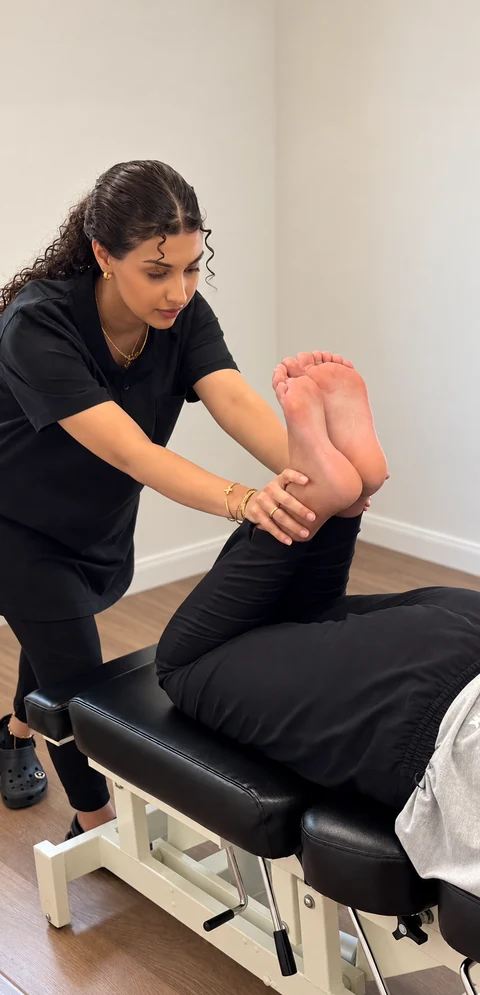
Where appropriate, we discuss exercise, self-management and hands-on options, including benefits, risks and alternatives. A plan is agreed with you and reviewed; improvement cannot be guaranteed.
When To Seek Medical Help
Call 999 or go to A&E for back pain with new bladder or bowel changes, loss of feeling around your genitals or anus, symptoms in both legs, chest pain, or following a serious accident. Seek urgent GP or NHS 111 advice for sudden severe or rapidly worsening pain, or feeling unwell with back pain. See the NHS page for the full guidance. Do not wait for the clinic to open.
Evidence & Further Reading
- NICE NG59 — assessment and management of low back pain and sciatica
- NHS — back pain and when to get help
Sources checked 21 October 2026. General information, not a diagnosis or individual treatment advice.
Explore our approach: hands-on care, exercise and practical advice →